CDRROClimate & Disasters Risk Reduction Organization

Our Work

Five ways we turn climate risk into community strength.

Preparedness, participation, restoration, skills, and advocacy — connected programmes that reinforce each other in every community we serve.

Disaster Preparedness & Response

Helping communities anticipate, withstand, and recover from floods, droughts, landslides, and storms.

We strengthen the preparedness of communities, local government, and institutions in disaster-prone areas of Rwanda — from early-warning awareness to household-level readiness. When climate shocks strike, prepared communities recover faster and lose less.
Community Engagement & Empowerment

Putting farmers, women, and youth at the centre of every intervention we design.

Resilience is built from the ground up. We run participatory dialogues with local leaders and residents, engage women's groups and youth, and co-design every project with the people it serves — so interventions are owned, relevant, and sustained long after we leave.

Environmental Restoration & Mapping

Mapping degradation hotspots with GIS and local knowledge, then restoring them with agroforestry.

Combining participatory mapping with GIS tools, we identify areas suffering from soil erosion and deforestation, validate findings with the community, and respond with tree planting intercropped with crops — restoring land while improving harvests.

Capacity Building & Training

Practical training in climate-smart agriculture, clean energy, and sustainable land use.

Through hands-on workshops, field demonstrations, and IEC materials in Kinyarwanda, we equip farmers, local officials, and community groups with skills they can apply the same season — from agroforestry techniques to rooftop rainwater harvesting.

Policy Advocacy & Awareness

Amplifying community voices and aligning local action with national environmental policy.

We work alongside district authorities and the Rwanda Environment Management Authority (REMA) to align grassroots action with national policy, and we use radio, community announcements, and local media to keep climate resilience on the public agenda.

Flagship project · Ruhango District, Southern Province, Rwanda

Project deep-dive

Community Sensitization Workshop on Environmental Protection & Climate Resilience

Ruhango District has lived the cost of soil erosion, deforestation, and unmanaged water. This five-day, community-based workshop confronts those pressures with skills and tools households keep long after the programme ends — directly advancing SDG 13 (Climate Action) and SDG 15 (Life on Land).

What the workshop sets out to do

  • Sensitize communities on tree planting intercropped with crops (agroforestry)
  • Strengthen the sustainability of infrastructure built by development partners
  • Identify, map, and report areas suffering environmental degradation
  • Promote rooftop rainwater harvesting and energy-saving (economic) stoves

Five days, four transformations

Days 1–2

Agroforestry in action

Training sessions on trees intercropped with crops, seedling distribution to farmers, and community planting events led by agronomists and local leaders.

Days 2–3

Mapping what matters

Participatory mapping exercises combine GIS tools with local knowledge to produce a validated map and report of degradation hotspots.

Days 3–4

Sustaining what exists

Assessment of terraces, water channels, and tree nurseries built by earlier partners — and community-led plans to maintain them.

Days 4–5

Water & clean energy at home

Live demonstrations of rooftop rainwater collection and energy-saving stoves, engaging women's groups and distributing sample units to households.

100+

participants sensitized on agroforestry & sustainable farming

50+

households reached with energy-saving stoves

1

validated GIS map of degradation hotspots — shared with the district

Who makes it happen

Who makes it happen
PartnerRole
CDRROLead organization and implementer
Government AuthoritiesCoordination, mobilization, and policy support
REMAPolicy guidance from Rwanda's environment authority
Local farmers & communitiesMain beneficiaries — and main implementers
CBOs & NGOsCommunity mobilization and long-term follow-up

Help this workshop reach its district.

Seedlings, stoves, water tanks, facilitators — each one has a cost, and each one changes a household's future.

Support the project

Field evidence

A climate & disaster risk assessment, done on the ground.

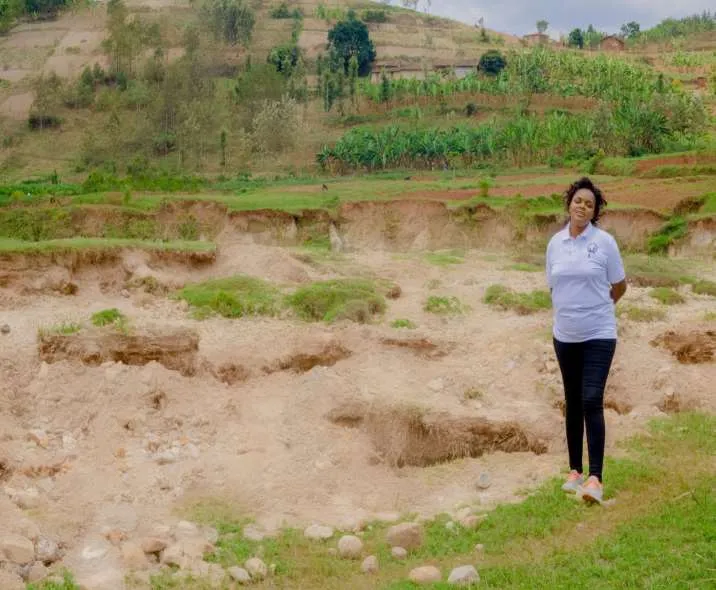
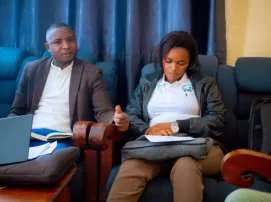
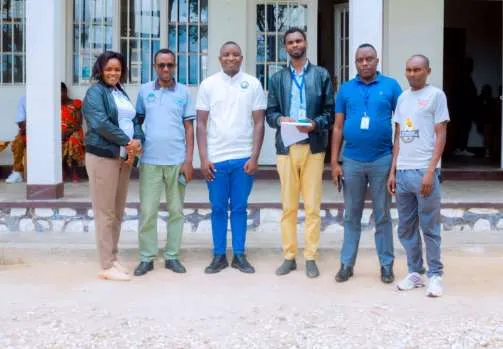
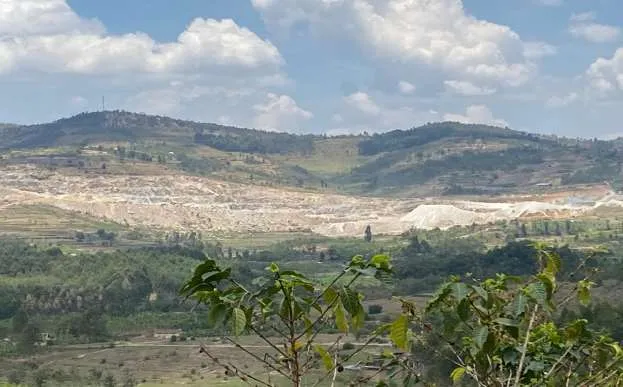
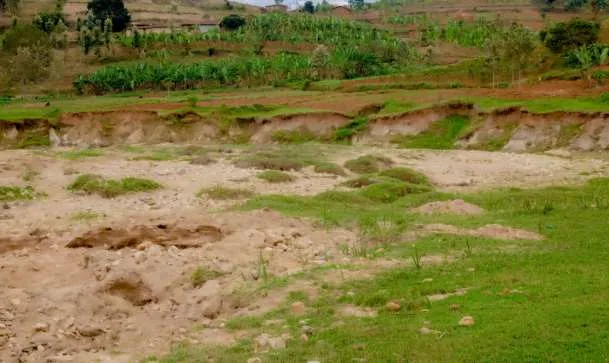
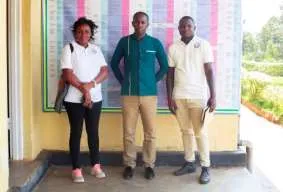
Before we act, we listen and measure. Our team carried out a climate change and disaster risk assessment together with local government — sector agronomists, foresters and social-economic officers — through office consultations and field visits with residents.

Assessed in Ruhango District: Bweramana, Byimana, Kinihira & Mwendo sectors

Disasters affecting these areas

  • Floods and flash-flooding of wetlands (e.g. Kiryango and Base swamps)
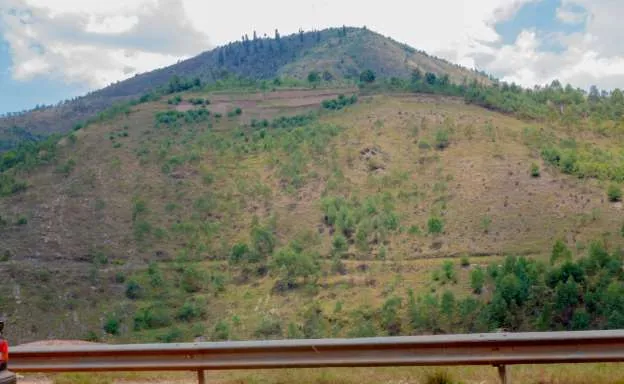
  • Landslides on steep, deforested hillsides
  • Collapsing riverbanks and eroded, gullied farmland

Human activity driving the risk

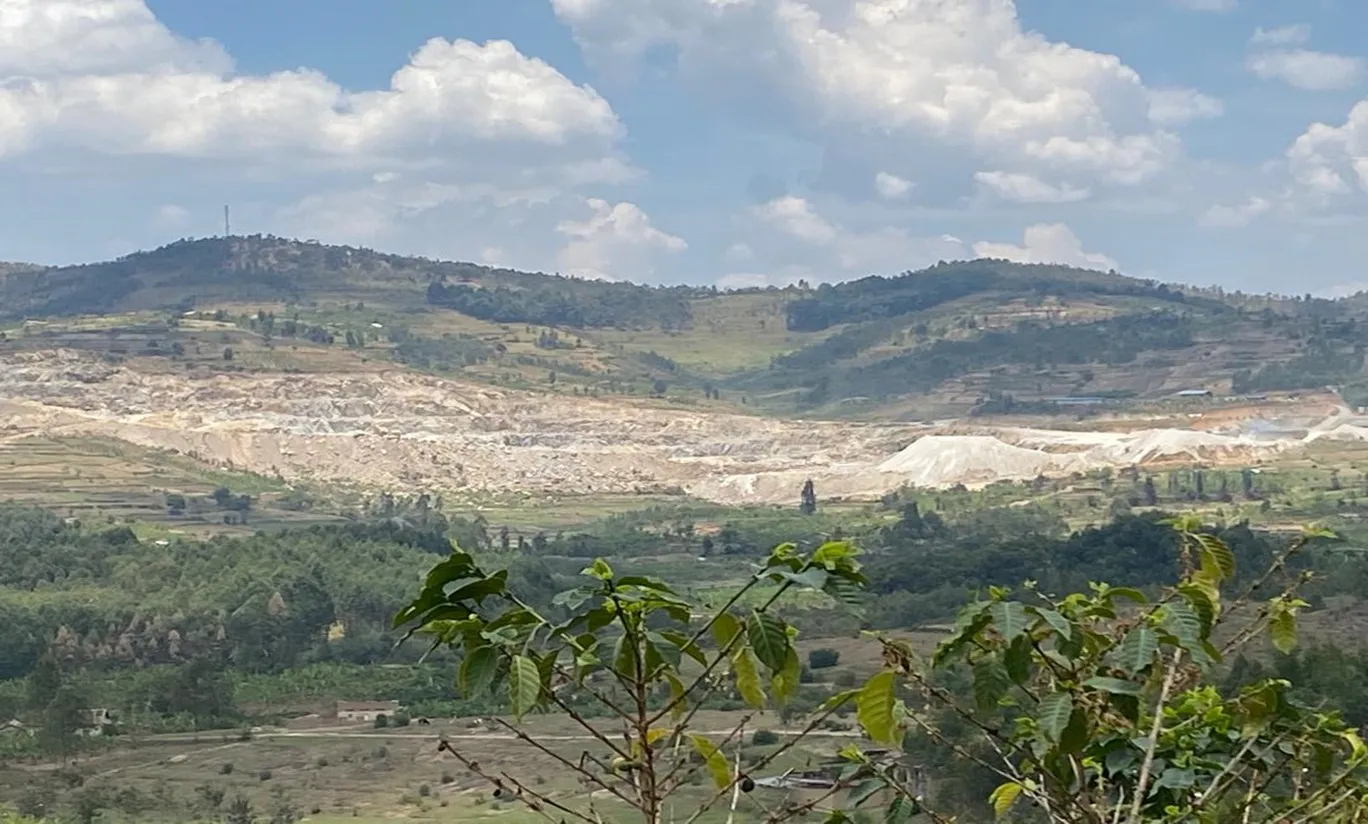
  • Mining that strips and destabilises hillsides
  • Erosion-prone farming without terracing
  • Deforestation and loss of protective tree cover
  • Poor construction and unmaintained erosion-control infrastructure

What communities live with

  • Cracked houses that collapse in heavy rain
  • Hunger when food crops are washed away
  • Broken, impassable roads and lost livestock
  • Poor air quality near industrial and mining sites

What we recommend — and act on

  • Terracing and afforestation of hills with mixed tree species
  • Conservation of rivers, wetlands and their banks
  • Early-warning systems and stronger disaster preparedness
  • Integrating disaster risk reduction into education and local coordination

From the field

There's a role here with your name on it.

Fund a household's resilience, volunteer your skills, or partner with us on the next district.